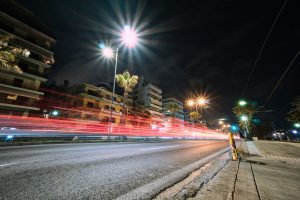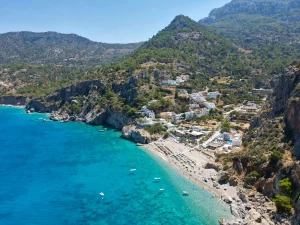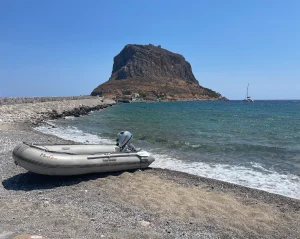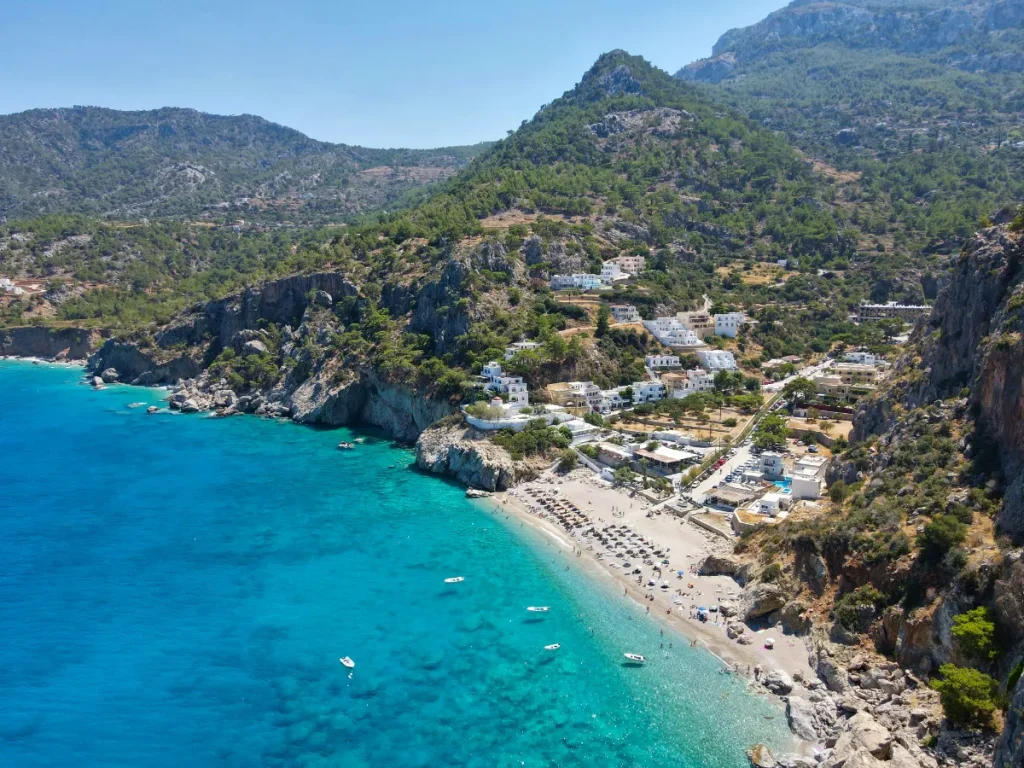
Karpathos sits between Crete and Rhodes, and somehow it’s stayed out of the spotlight, like it never bothered to audition for your attention. It’s bigger than you expect, beautifully rugged, and still stubbornly itself: an island where the wind has a voice, the roads take their time, and the culture hasn’t been sanded down for easy consumption.
This is an island for travellers who don’t need a scene to feel like they’ve made it. The reward is character, hard coastlines, high villages, real wind, and a pace that quietly recalibrates you before you even realise you needed it.
A little history, lightly worn
Karpathos has been inhabited since antiquity and moved through the familiar Aegean sequence; classical Greek influence, Roman control, Byzantine continuity, and Ottoman rule with each leaving traces, none fully erasing what came before.
Getting here, and why you should drive
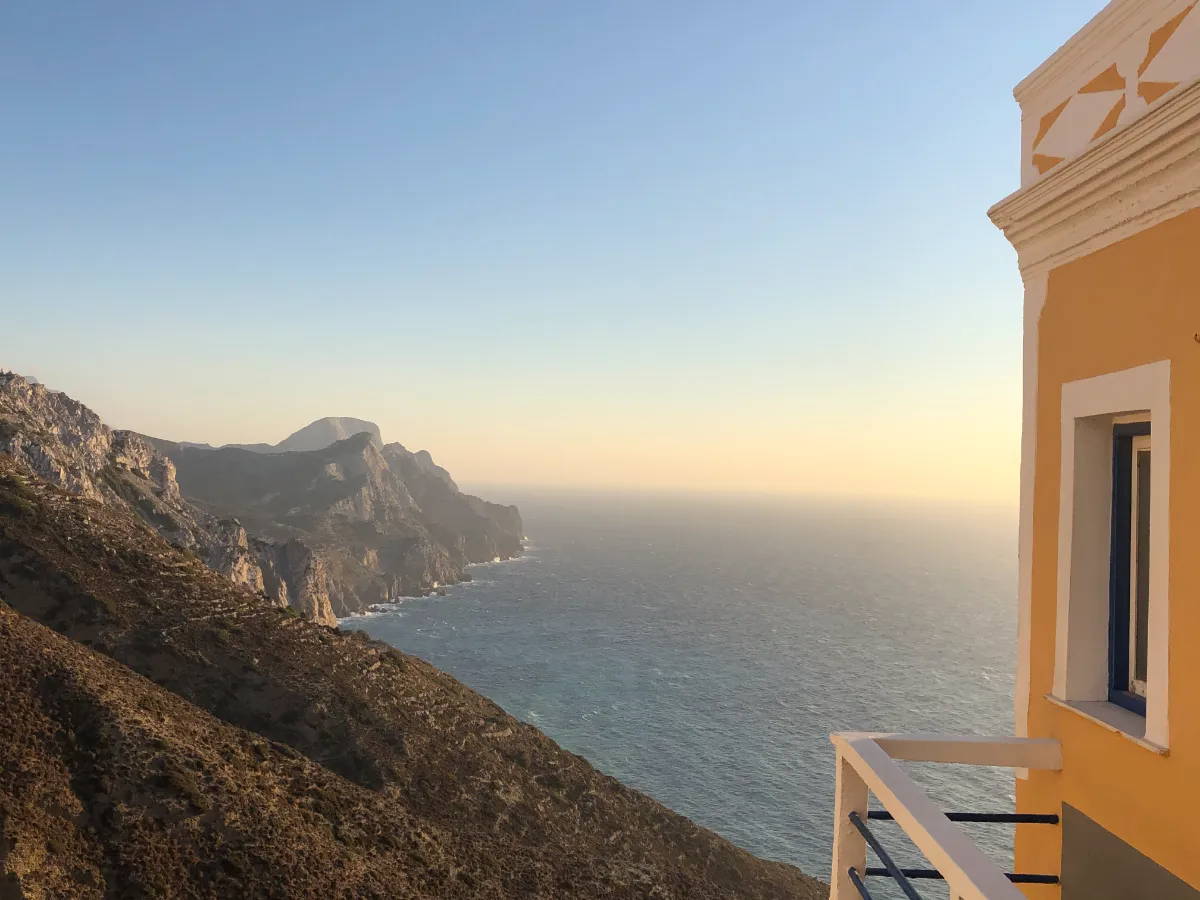
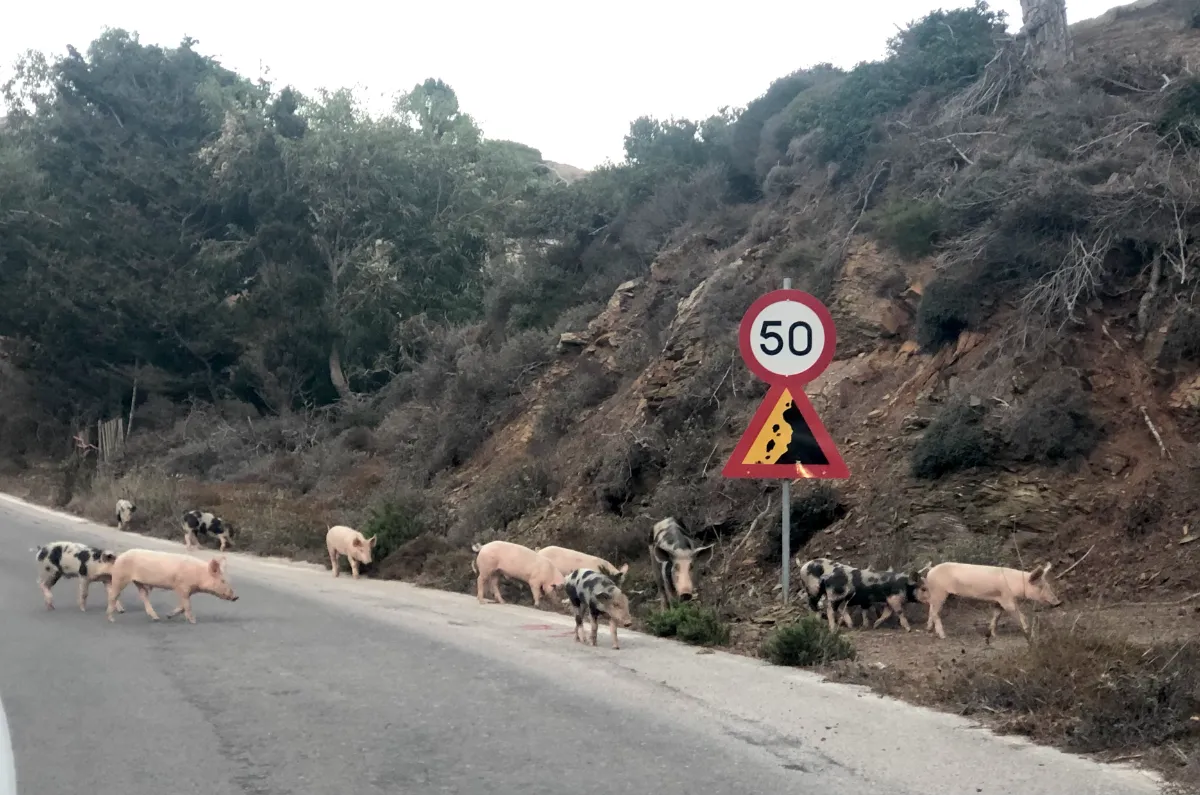
Karpathos has an airport (AOK) with domestic and (seasonal) international connections. Once you land: rent a car. Karpathos is not a “base yourself and walk everywhere” island. The best moments happen between places; hair pin turns, breathtaking vantage points, wild goats seemingly floating on the mountainsides, a turnoff that leads to water so clear it looks as if it has been choreographed.
If you don’t want to drive every day, the strategy is simple: keep a car for select days, use transfers for the rest, and protect your flow with a relaxed pace.
Where to stay, depending on the experience you want
Karpathos is not full of mega-resorts, and instead you will find well-run boutique hotels, luxury apartments, and villas along the coastline and up high in the villages.
- Pigadia for convenience, dining, and a central base where all could be found walking distance from the harbor featuring some large hotels.
- East coast for calm mornings and great beach days with boutique hotels in close proximity to Pigadia.
- The north (Diafani/Olympos orbit) for the most intimate, old-world feeling, especially at night where you will feel transported to another time.
The villages that shape the island’s mood
Pigadia (Karpathos Town)
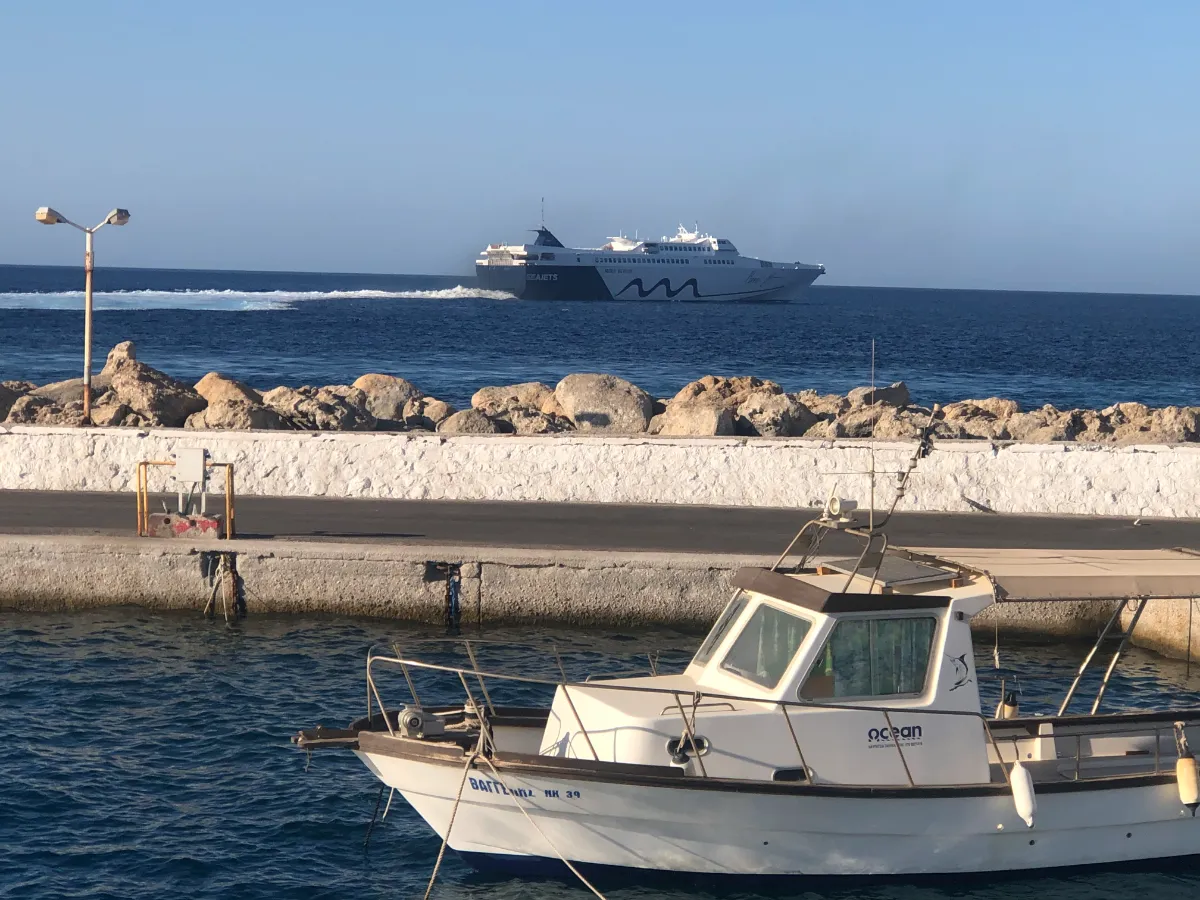
Pigadia is the island’s main town and port, with the widest choice of restaurants, shops, and services. It’s a smart base for your first night and a practical hub for day trips across the island—easy harbor stroll, easy dinner, and you’re set up for the next morning.
Olympos
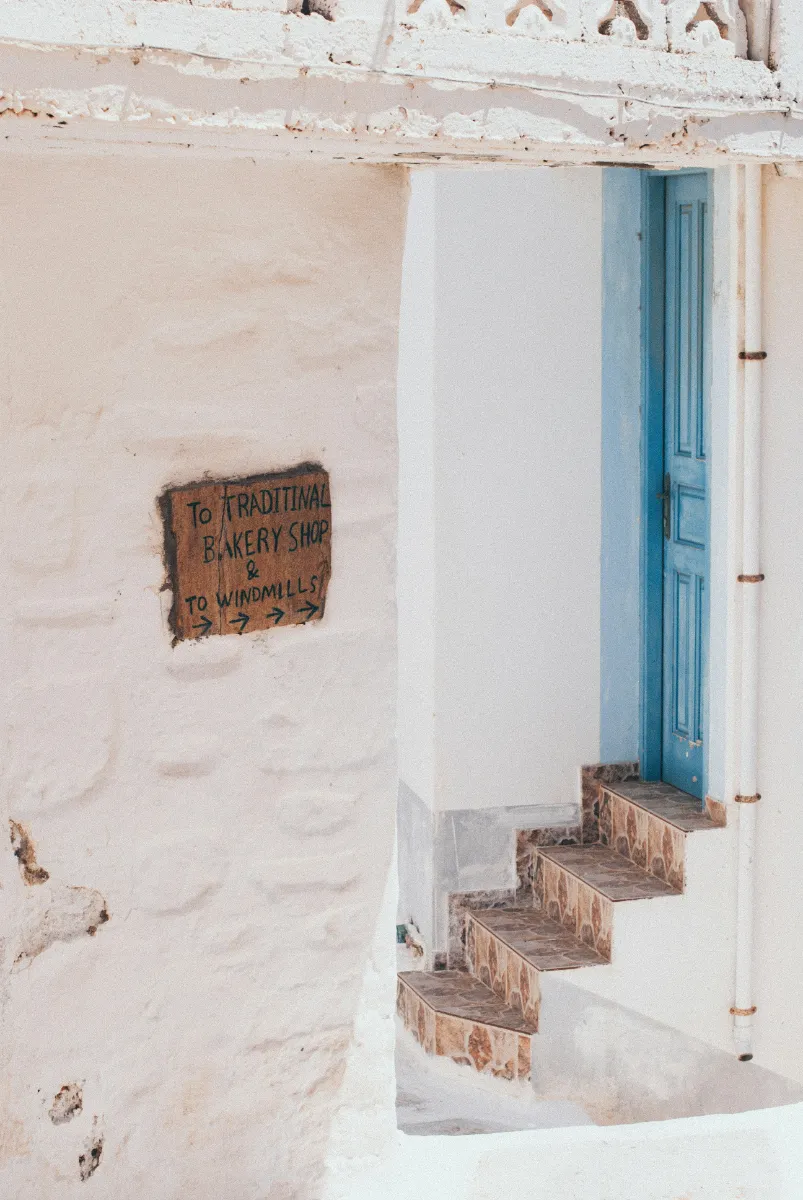
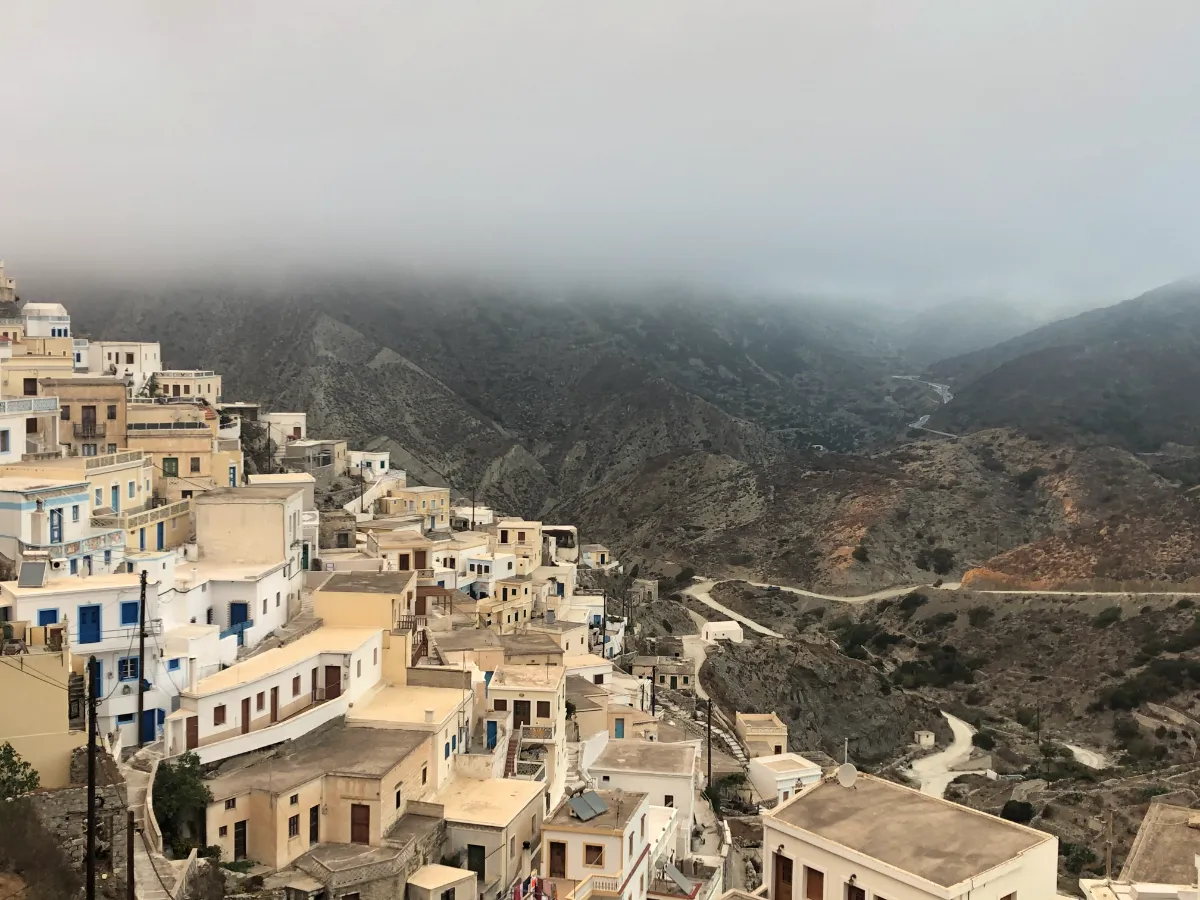
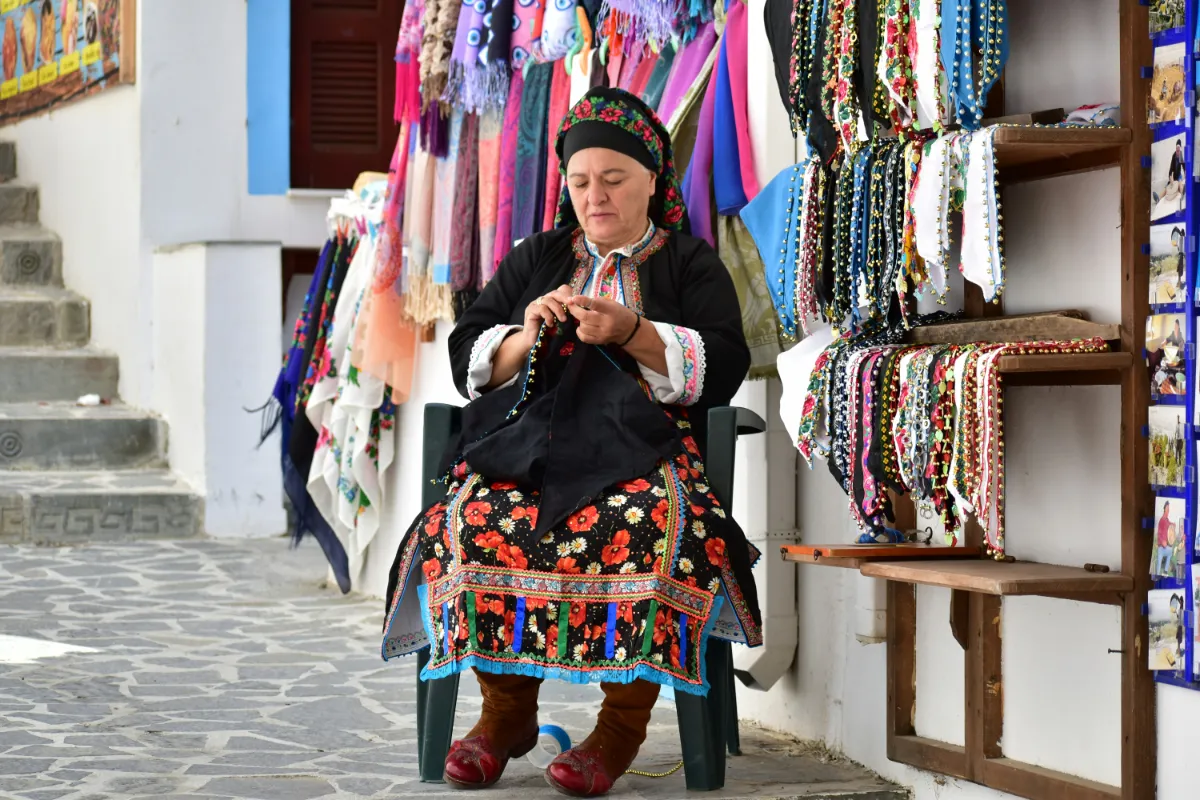
Olympos is a mountain village in the north of Karpathos, known for its strong local traditions and distinct cultural character. Go in the late afternoon and stay through golden hour with it’s spectacular sunsets, when the village is quieter and the light is best. Take it slow while up here, walk the lanes, sit for a coffee or a meal, and let the place unfold without trying to rush through it.
Diafani
Diafani sits less than 8 km from Olympos, but the mood shifts completely. It’s a small port with sea air and a calm that settles in fast. More importantly, it’s your launch point for the far north featuring boat access only places that make Karpathos feel quietly untouchable.
Beaches and coastline: the Karpathos signature
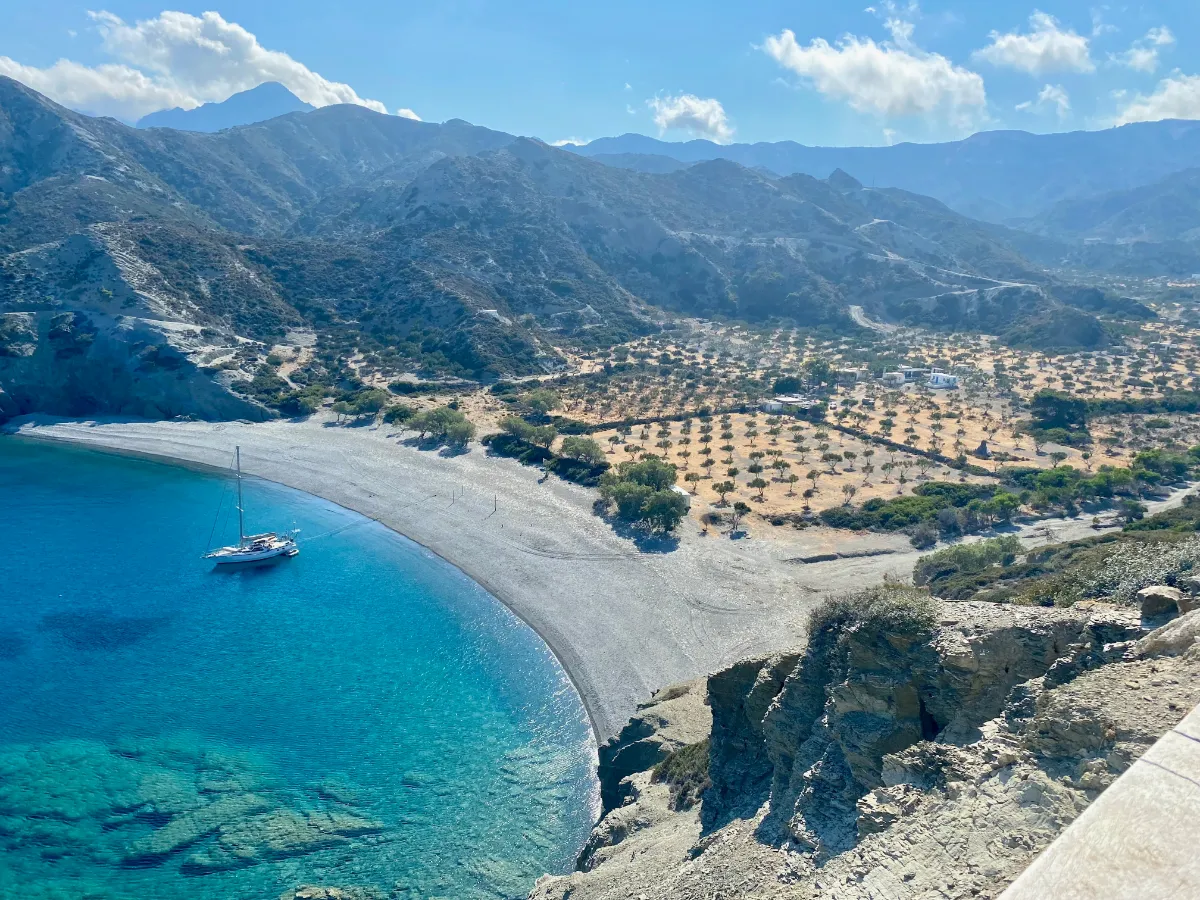
Karpathos is known for clear water and dramatic coastline. Apella, Kyra Panagia, and Lefkos are three of the island’s most well-known beaches. Go early for the popular spots, then spend the afternoon exploring smaller coves nearby when it’s quieter.
Windsurfing: where Karpathos turns into a playground
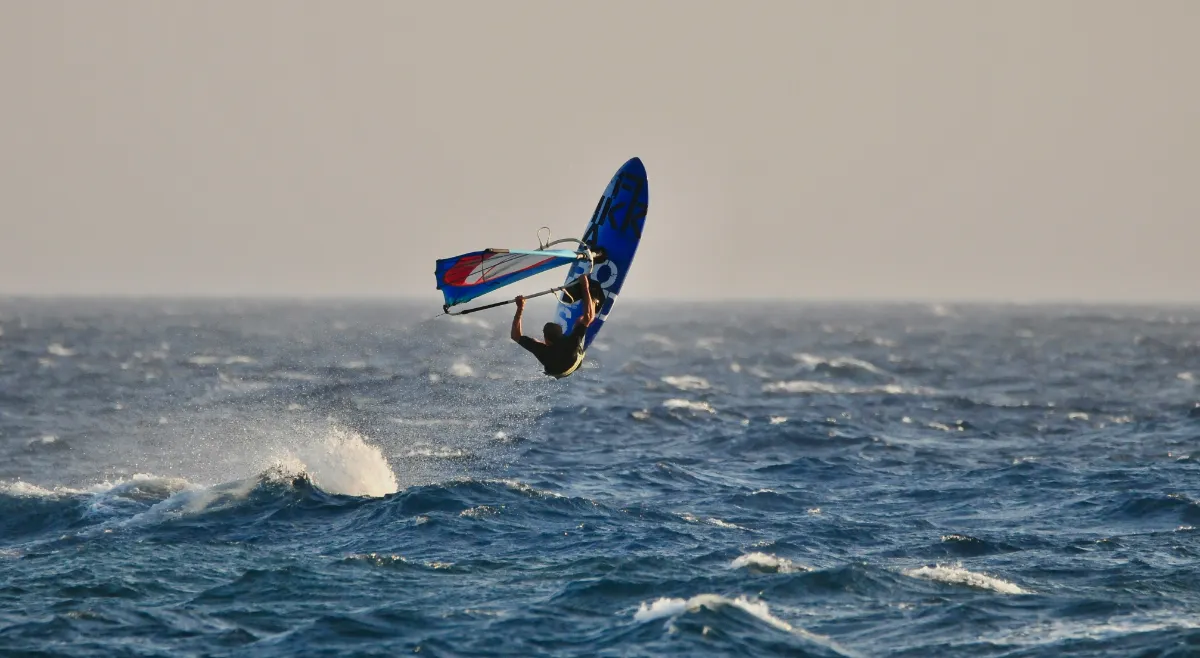
If Karpathos has a sporting soul, it lives in the deep south, in Afiartis (Kipi Afiartis)—practically beside the airport. This is where the summer winds are famously consistent and where the island’s windsurf scene is a real thing, making it a premier destination to windsurf.
The south is set up like a choose-your-own-adventure of bays, each with different conditions:
- Chicken Bay (Small Makris Gialos): the friendlier option, often recommended for beginners and intermediates with calmer water.
- Gun Bay (Makris Gialos) and Devil’s Bay (Vatha): more demanding with up to 1 meter waves, and Devil’s Bay known internationally for strong consistent wind that is best suited for the highly experienced wind surfer.
Even if you never touch a sail, come down here and just stand there for a while. Sails skim across water that barely looks real, and the wind stops feeling like a nuisance, and it starts to make sense— the kind of thing that reminds you why you came in the first place.
Food and local flavors
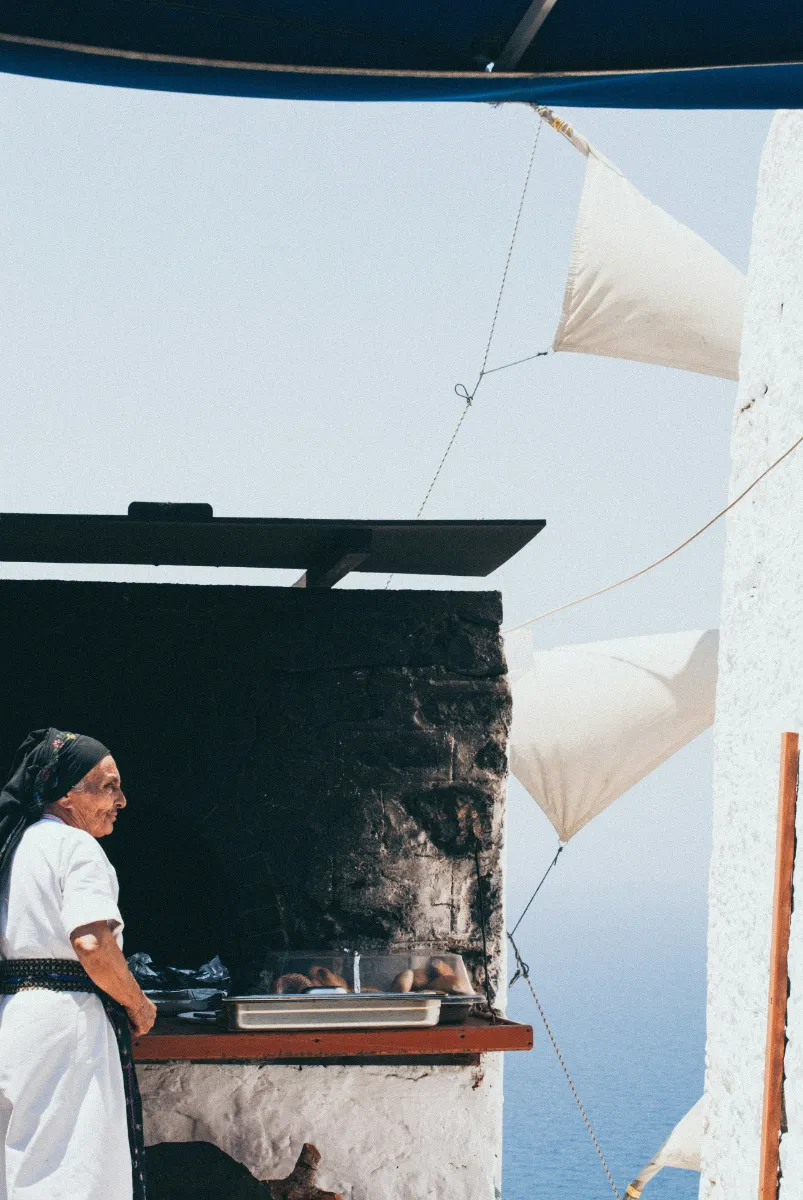
This is where Karpathos gets personal. The island’s cuisine is not about trend, instead it’s about continuity. Recipes get handed down, not rebranded.
What to seek out:
- Makarounes: hand-formed Karpathian pasta, typically served with caramelized onions and local cheese; simple, honest, and addictive
- Sitaka: a soft local dairy specialty you’ll see alongside pasta, pies, and small plates
- Hondros: a traditional dish made with coarse wheat and meat
- Local wine: especially the semi-sweet red wines produced in the mountainous areas like Othos and Volada
- Olive oil tasting and, in the right season, olive gathering experiences.
- Wine tasting, especially when paired with village life rather than a formal “tour” feeling.
How to eat here: ask what’s cooked today. Let the taverna guide you. Karpathos is at its best when you stop trying to control every choice and start trusting the island’s rhythm.
Agri-tourism in the north: the island’s quieter wealth
The north of Karpathos Island doesn’t advertise. It doesn’t need to. Up here, luxury looks like something real: the hands that make the food, the hills that grow it, and traditions that carry on for centuries.
A few experiences that fit the Delos traveller:
- Cooking classes and guided cultural walks in/around Olympos, often hosted by locals.
- Beekeeping and honey-focused experiences, on a small farm.
- Seasonal olive harvests and olive oil tastings that make the flavors feel real
From Diafani: day trips into the true north
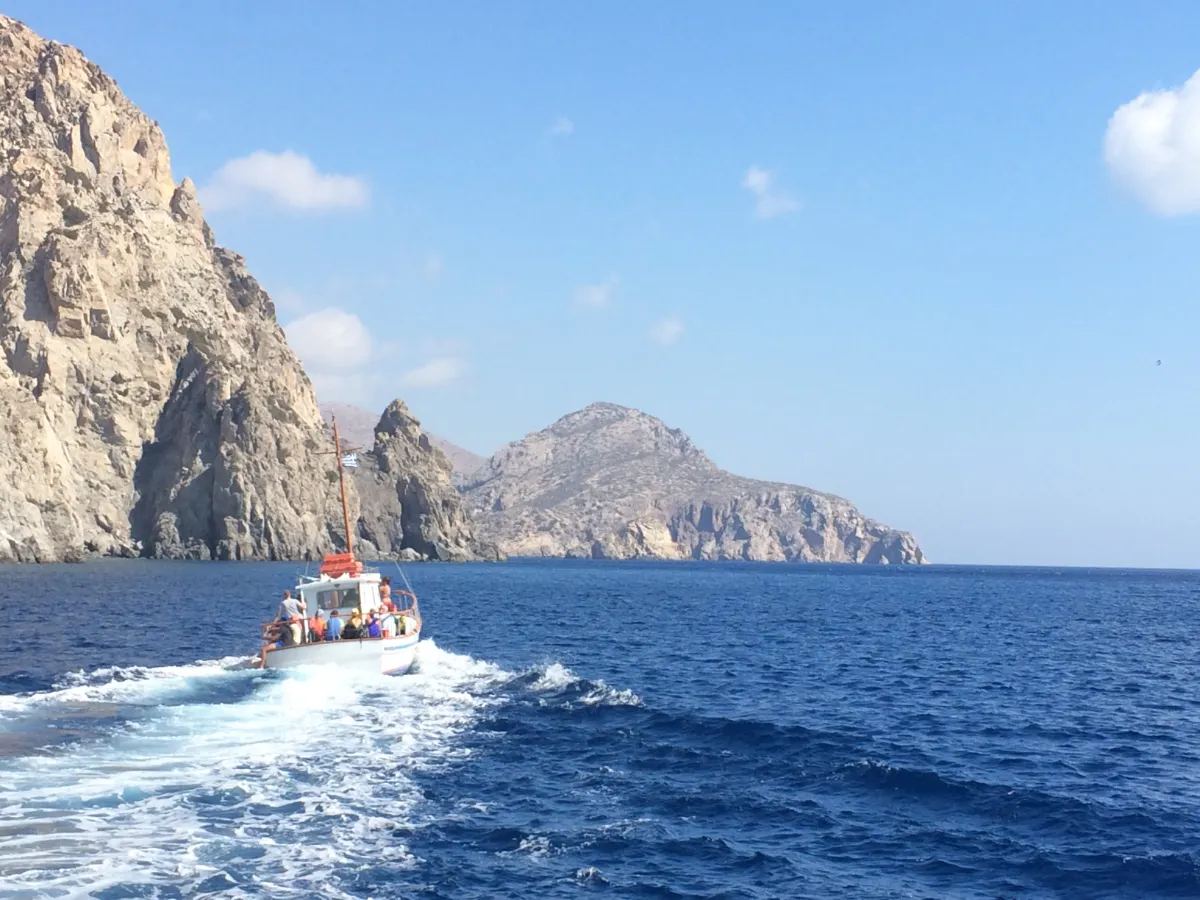
This is where Karpathos quietly separates itself from other islands. From Diafani, local boats run excursions to places that feel like the island before roads that are still remote, raw, and remarkably beautiful.
Saria Island (with the walking piece most people skip)
A classic Diafani boat day is Saria, an uninhabited island just north of Karpathos. Featuring a swim stop at the Troulakas sea cave, then a longer stay at Palatia Beach (often with lunch), and a final stop at Alimounta before returning.
If you want this to feel like discovery and not just a beach day, then add the walk: from Palatia you can reach the Argos ruins/abandoned settlement area on foot. Such a hike is roughly a 1–2 hour round trip depending on route/pace.
Tristomo + Vroukounda (ancient atmosphere, modern silence)
Another standout excursion from Diafani is Tristomo and Vroukounda. You can stop at Tristomo first to swim/explore, then move on to Vroukounda (ancient Vrykous) for the day, and consider the option to visit the cave-church of St. Ioannis.
Walking tours and real trails in the Diafani/Olympos orbit
For travellers who prefer to earn their views, the north has proper hiking routes:
- Avlona → Vroukounda: approximately 1.5 hours one way.
- Avlona → Tristomo: approximately 3 hours.
You can also combine a trail + boat and walk in one direction, return by sea, or reverse it to fit your schedule.
A Karpathos rhythm for 4–6 nights—easy, refined, unhurried
- Night 1: Arrive in Pigadia, harbour walk, slow dinner, early sleep
- Day 2: East-coast beach day with one iconic, one quiet
- Day 3: North day, Visit Diafani and Olympos into the golden hour
- Day 4: Diafani boat day (Saria or Tristomo/Vroukounda), with a short hike built in
- Day 5: South for windsurf culture in Afiartis (even if you’re only watching)
- Day 6 (optional): Inland village with a traditional long lunch with no agenda
When to go
If you want Karpathos at its best, aim to visit late May through June or September. Peak summer is still gorgeous, but it comes with crowds and heat. Should you travel in the summer, the move then is simple: start early, nap midday, re-emerge late.
The Delos Travel closing note
You arrive for the coast and the classics, like Apella, Kyra Panagia, Olympos, and you leave thinking about the quiet moments you didn’t plan: a boat cutting north out of Diafani, a swim off Saria, a meal that tasted like someone’s grandmother still runs the kitchen, sails skimming the water down in Afiartis like it’s a normal Tuesday.
Karpathos doesn’t try to impress you, because it doesn’t need to. It’s one of those rare Greek islands where the road still feels like part of the story, and the wind isn’t a nuisance but it’s the heartbeat of the Island. In Karpathos tradition isn’t packaged for you, because it just keeps going whether you show up or not.
If Greece is starting to feel too commercialized, put Karpathos on your list to reset and rejuvenate.
© Delos Travel. Text + original photos/video are copyrighted and may not be used without prior written permission. Some images are licensed from third-party creators (e.g., Unsplash) and are credited; those images follow their original license terms.